
The baby's skin is thinner than that of adults so he needs specific care during the colder months of the year.
Hydrated skin, healthy skin
It is very important to moisturize the baby's skin, ideally after bathing when your skin is still moist. Choose a special hypoallergenic moisturizing lotion for newborns, whether in cream or oil, from any of the top brands for babies like Johnson and Mustela, Avene, Cetaphil etc.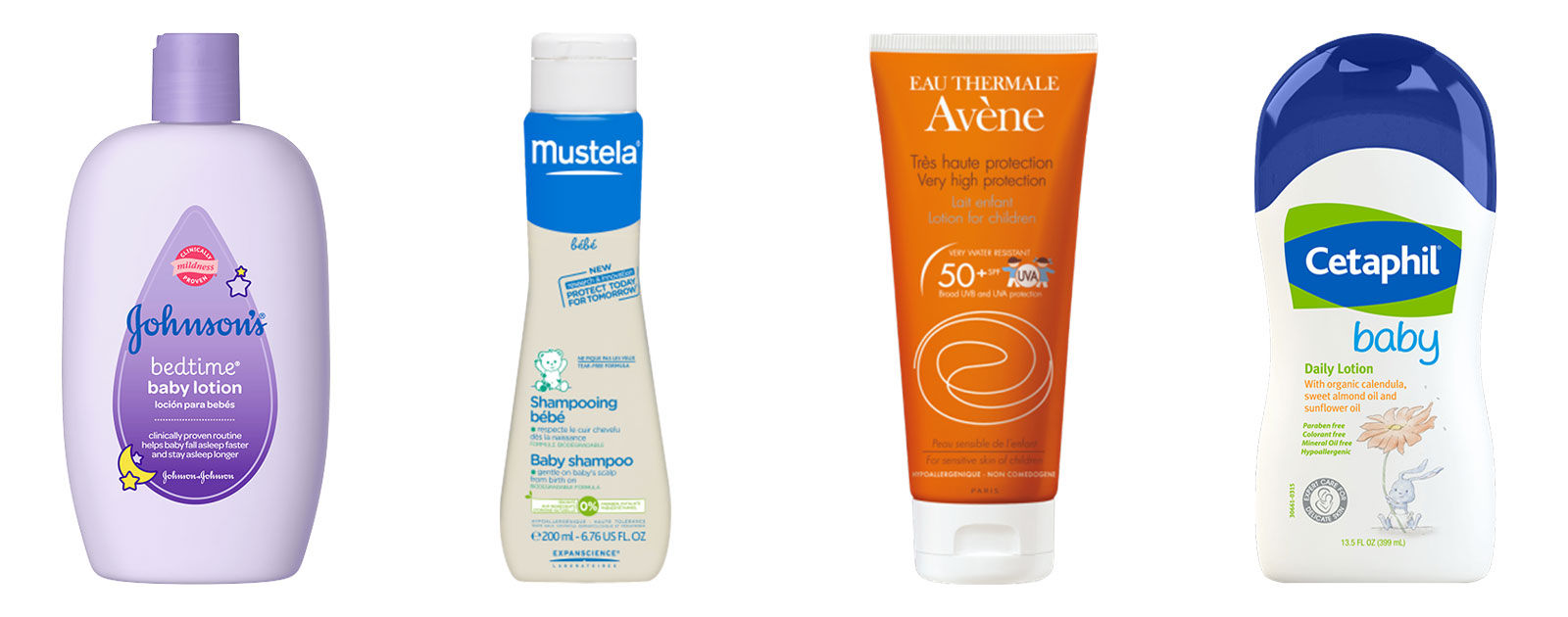 Extend the lotion throughout the body giving a gentle massage, not forgetting the folds, feet, hands and face.
In addition, before going out or on the road, you can also give her a little moisturizer to better protect the face and hands. Shea butter is phenomenal because it contains nutritive, protective and healing properties.
For their part, there are children with atopic dermatitis whose symptoms worsen in the colder months and need specific care.
Bath time
At bath time you should avoid very hot water so that the skin does not overcoat. Even many parents wonder if it is necessary to bathe the baby daily. There are experts who do not recommend and who think that bathing them two or three times a week is enough to keep the butt, face, neck and hands clean, at least until they begin to crawl.You should use a special baby shower gel, which is gentle, as others may be aggressive to the Ph of your skin. If the baby is newborn, it is not necessary to use shampoo, it is enough to clean the hair with the same gel of the bath.
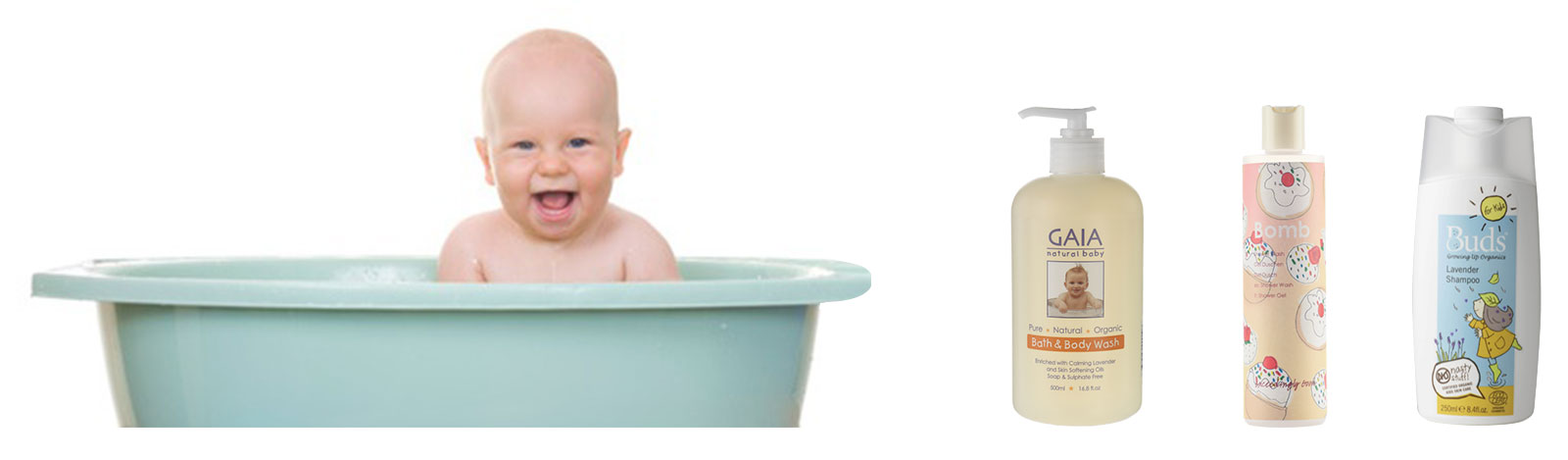 The water should be at a temperature of about 32 degrees and the bath should not be longer than 15 minutes.
Protect skin from cold and the wind
Children need to take a walk every day, also in winter, but the truth is that the cold makes many times we avoid it for fear that they become ill. If you are going to get the baby out of the house, it is very important to protect him.Carriers are ideal for winter walks because the baby regulates their body temperature with that of the mother. They stay warm and protected. If you use a cart, in addition to the winter coat as a coat, gloves, and cap, it is convenient to place the plastic protector.
Maintain ambient humidity
The use of the heating causes the environment to dry out, so you can counteract it with the use of humidifiers. Humidifying the air can reverse the process of dehydration of the skin. You can leave it on during the night and ideally use distilled water, but it may also be from the tap.
Not too warm
The baby should be properly housed. It is advisable to take a layer more than we do, but do not overdo it, to avoid sweating. They may appear small granites, especially in areas like the neck, the folds that provoke them itching and injuries.The most suitable clothes
Dress the baby in natural cotton clothes, avoiding the synthetic fibers and if we are going to put a woolen garment to him, to avoid the direct contact with the skin.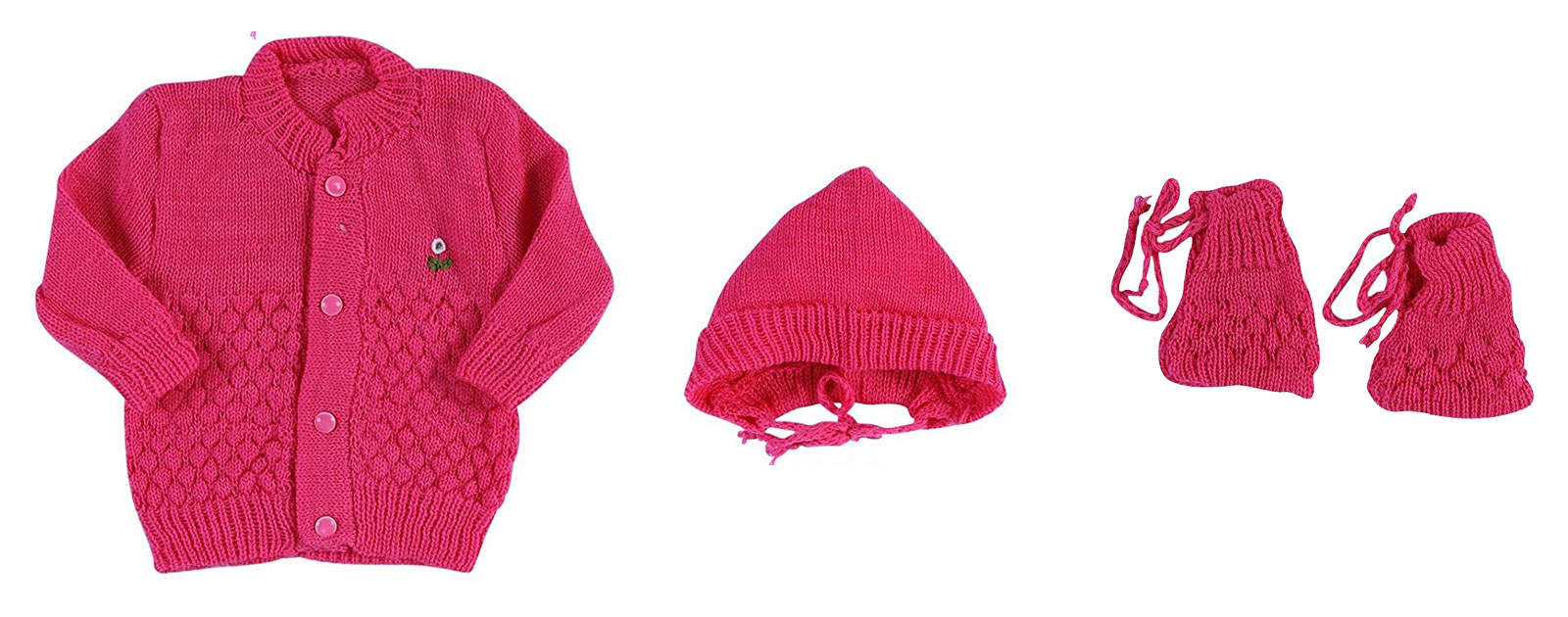 Also, make sure that the wool does not lose hairs, nor does it use blankets too furry or fur coats.

